
Many of us spend years coping with wounds that God longs to heal.
We learn how to function. We learn how to keep moving. We find ways to manage anxiety, bury grief, avoid fear, or distract ourselves from pain. From the outside, life may appear stable. We go to work, care for our families, serve in ministry, and fulfill our responsibilities. Yet beneath the surface, the wound remains untouched.
Coping helps us survive. Healing helps us live.
There is an important difference between the two.
Coping mechanisms are not inherently bad. In difficult seasons, they can help us endure circumstances that feel overwhelming. But what begins as a temporary means of survival can gradually become a way of life. We adapt to our pain rather than allowing God to transform it.
Some cope through busyness. Others through perfectionism, control, people-pleasing, constant productivity, entertainment, or withdrawal. We find ways to manage discomfort without ever addressing its source. We become skilled at avoiding what hurts.
Leanne Payne often wrote about the tendency to live disconnected from our true selves. Rather than bringing our wounds into the healing presence of Christ, we build our lives around them. We create patterns of self-protection that shield us from pain while also limiting our capacity for intimacy, freedom, and joy.
The result is that we may appear healthy while remaining deeply wounded. We learn how to function, but not how to heal.
Throughout the Gospels, Jesus consistently moved beyond surface-level solutions. When people came to Him, He often addressed the deeper wound beneath the visible problem. He healed bodies, but He also restored identities. He confronted lies, forgave sins, and invited people back into communion with God.
Christ’s desire is not simply to make our symptoms disappear. His desire is to restore the whole person.
Sometimes we want relief without transformation. We ask God to remove the anxiety, the loneliness, the fear, or the sadness, while resisting His invitation to enter the places where those struggles began. Yet healing is rarely found through avoidance. It is found through encounters.
“The Lord heals the brokenhearted and binds up their wounds” (Psalm 147:3).
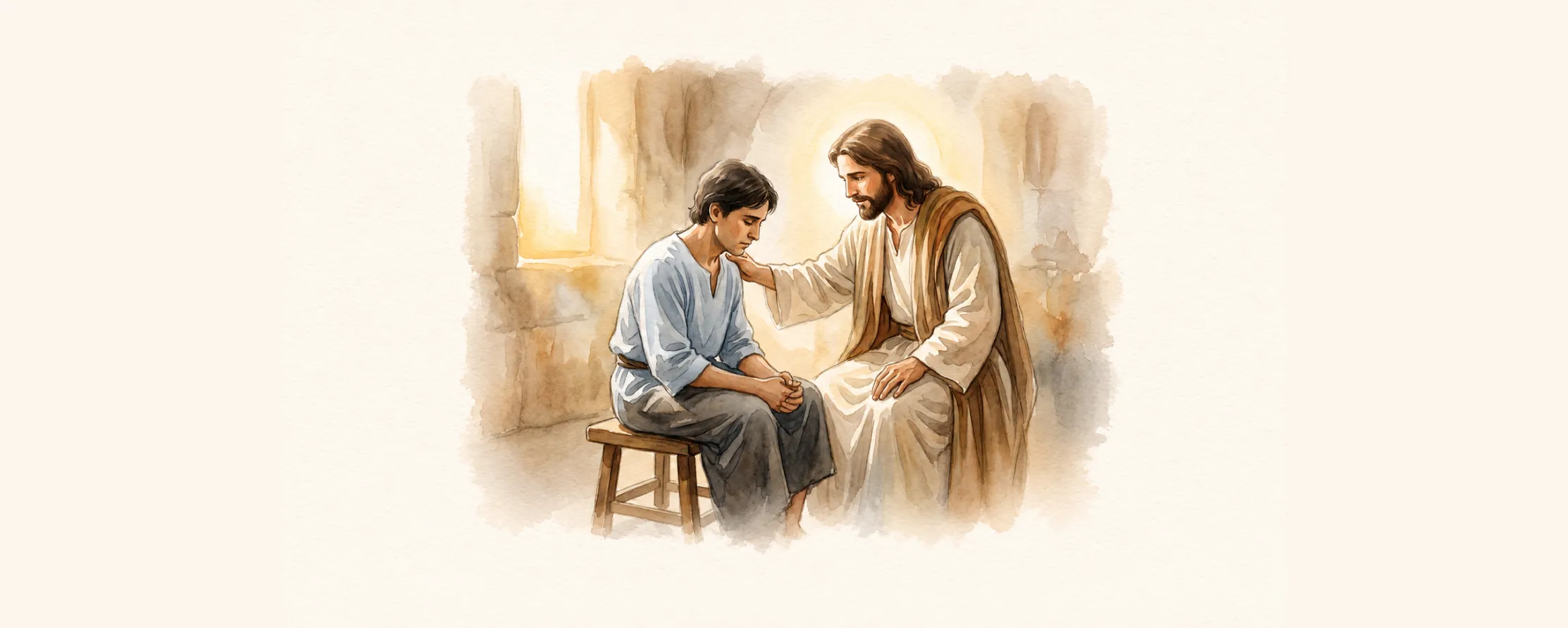
God does not stand at a distance from our wounds. He comes near them.
One of the greatest obstacles to healing is our tendency to avoid pain. We rush past grief. We suppress disappointment. We minimize wounds that still influence our lives. We convince ourselves that if we can simply keep moving forward, eventually the pain will disappear.
But ignored wounds do not heal. They often become buried beneath layers of activity, self-reliance, and distraction.
Healing begins when we become willing to bring our pain honestly before God.
Leanne Payne emphasized the importance of truth-telling in the presence of Christ. Healing occurs when we stop pretending, stop performing, and allow Jesus to meet us where we actually are. It requires honesty about our fears, our losses, our disappointments, and our unmet longings. Only what is brought into the light can be transformed.
Many of our coping mechanisms are ultimately forms of self-protection. We attempt to guard ourselves against further rejection, failure, disappointment, or loss. Yet the walls we build to keep pain out often keep healing out as well. What was once designed to protect us can eventually prevent us from receiving the love and restoration God desires to give.
Christ invites us into a different way of living. Instead of hiding, He calls us into the light. Instead of striving, He invites us to rest. Instead of carrying our wounds alone, He asks us to entrust them to Him.
This journey is rarely instantaneous. Healing is often a process of returning, again and again, to the presence of God. It is a gradual surrender of the places we have spent years protecting. It is learning to trust that Christ is gentle enough to meet us in our pain and powerful enough to transform it.
Perhaps you have become very skilled at coping. Perhaps you have learned how to keep moving despite grief, how to smile despite anxiety, or how to function while feeling disconnected inside. Yet beneath every coping mechanism is often a deeper longing—the longing to be whole.
The good news of the Gospel is that Jesus offers more than survival.
He offers healing.
As we bring our wounds into His presence, we discover that the places we have spent years managing may become the very places where His restoring work begins. The Lord who draws near to the brokenhearted is still making all things new, and His invitation remains the same: not merely to cope, but to be healed.
Sources
- Leanne Payne, The Healing Presence
- Leanne Payne, Restoring the Christian Soul
- Psalm 147:3
- Luke 4:18
- Isaiah 61:1–3