

Agnes Sanford wrote extensively about the inner life of the soul and the healing power of God within it. She understood that many of our struggles are rooted not only in present circumstances but in wounds that have been pressed down into the subconscious—places we no longer actively remember, but that still quietly influence our thoughts, reactions, and beliefs. She believed that healing begins when these hidden places are gently brought into the light of Christ.
Scripture affirms this truth:
“Have nothing to do with the fruitless deeds of darkness, but rather expose them.” (Ephesians 5:11)
Darkness loses its power when it is brought into the light. Not exposed for shame, but revealed for healing.
The Nature of Hidden Wounds
Hidden wounds are not always dramatic. They may be small moments that felt insignificant at the time—a harsh word, a feeling of rejection, a season of loneliness, or unmet needs. Over time, these experiences can take root in the heart, shaping beliefs such as:
- “I am not enough.”
- “I am unworthy of love.”
- “I am alone.”
- “God is distant.”
These beliefs often operate beneath conscious awareness. We may not recognize them, but we feel their effects: anxiety, fear, emotional numbness, or cycles we cannot seem to break.
“Search me, O God, and know my heart; test me and know my anxious thoughts.” (Psalm 139:23)
This is not a prayer of fear, but of trust. It is an invitation for God to gently uncover what we cannot see on our own.
Bringing the Subconscious into the Light
Agnes Sanford emphasized that the Holy Spirit is not limited to our conscious thoughts. God is able to reach into the deeper layers of the soul—the places where memories and emotions are stored beyond our immediate awareness. Healing, therefore, is not something we strive to manufacture, but something we allow God to reveal.
Jesus said,
“You will know the truth, and the truth will set you free.” (John 8:32)
Often, the truth we need is not new information, but a revelation of what has been hidden.
This process requires stillness and openness. We do not force memories or attempt to analyze every emotion. Instead, we come before God with a willingness to be seen, praying simply:
“Lord, show me what is in my heart.”
Sometimes, God brings specific memories to mind. Other times, He reveals patterns, emotions, or reactions that point to deeper roots. The goal is not to relieve pain, but to invite Christ into it.
Christ Enters the Wound
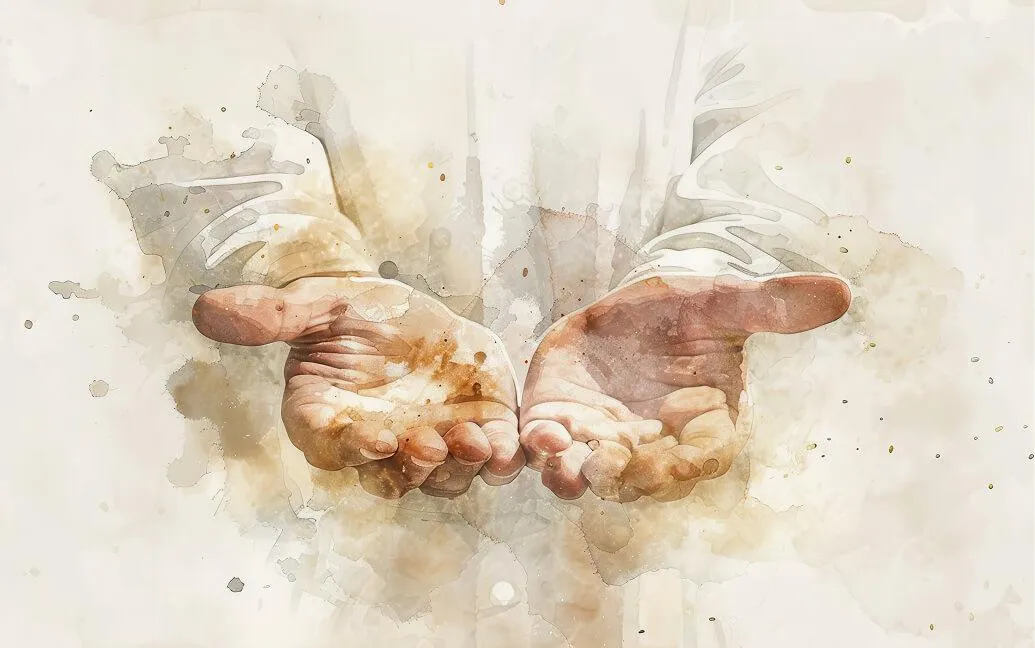
One of the most profound truths of the gospel is that Jesus does not stand at a distance from our pain—He enters it.
Isaiah 41:10: “Do not be afraid, for I am with you… I will strengthen you and help you”.
When a hidden wound is brought into the light, it is not left exposed and vulnerable. It becomes a meeting place with Christ.
Agnes Sanford described healing prayer as inviting Jesus into the memory or place of pain. We ask Him to show us where He was, what is true, and how He sees us. Often, the Lord reveals His presence in ways we had not recognized before. What once felt like abandonment becomes a place where He was quietly near.
In this space, lies are replaced with truth:
- Where we believed we were alone, He shows us His presence.
- Where we felt unworthy, He speaks our identity as beloved.
- Where we felt rejected, He reveals His acceptance.
“For He has said, ‘I will never leave you nor forsake you.’” (Hebrews 13:5)
The Role of Surrender
Healing requires surrender—not striving.
We cannot heal ourselves by effort, nor can we control the pace or depth of God’s work. Our role is simply to remain open, honest, and willing—coming to Him in simple, honest prayer, inviting Him to heal whatever He desires in whatever way He knows is best. We don’t have to script the process or understand it fully; we just have to give Him our trust.
“Come to me, all who are weary and burdened, and I will give you rest.” (Matthew 11:28)
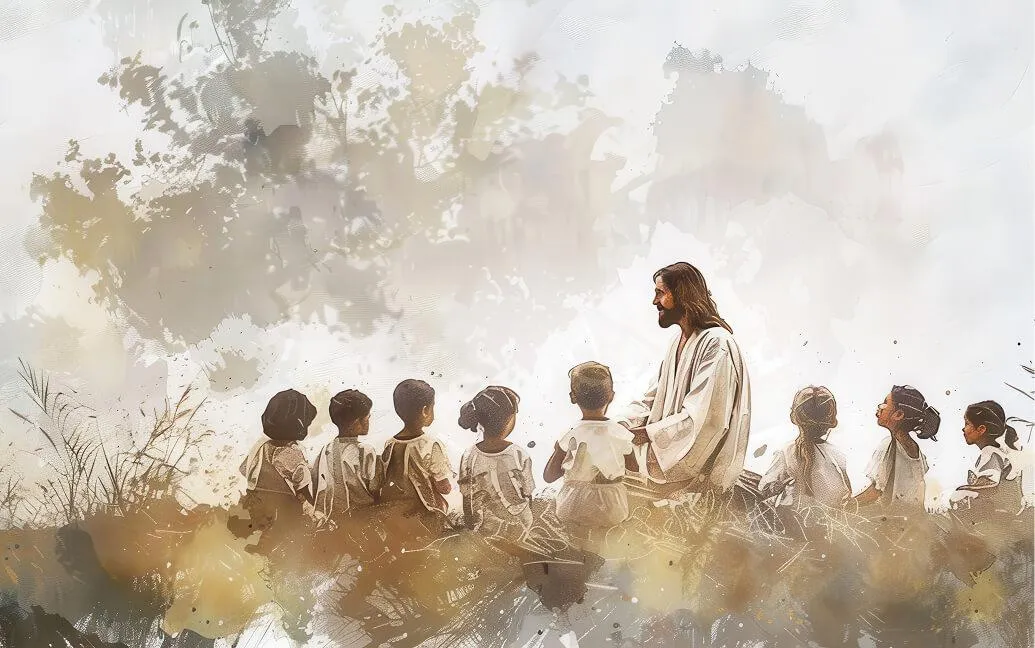
Jesus does not ask us to fix ourselves before coming to Him. He invites us as we are, shadows and all.
Surrender looks like allowing God to reveal what He wants to reveal, being honest about our emotions without hiding, trusting His gentleness with our hearts, and letting go of control over the process. Part of letting go is letting God—releasing our grip on how healing should look and trusting that He is both willing and able to restore what we cannot.
God is not harsh with our wounds. He is patient, kind, and attentive.
Walking in the Light
As hidden wounds are brought into the light, something begins to shift. The patterns that once felt automatic start to lose their grip. Reactions soften. Fear loosens. There is a growing sense of peace.
“But if we walk in the light, as He is in the light, we have fellowship with one another, and the blood of Jesus… purifies us from all sin.” (1 John 1:7)
Walking in the light is not a one-time event, but a continual posture of openness before God. It is choosing honesty over hiding, surrender over control, and truth over fear.
Healing is often gradual. There may be layers, and there may be seasons where new things surface. This is not a sign of failure, but of deeper freedom unfolding.
You Are Safe to Be Seen
At the core of many hidden wounds is the fear that if we are fully seen, we will be rejected. Yet the gospel tells a different story.
“Nothing in all creation will be able to separate us from the love of God that is in Chris Jesus our Lord.” (Romans 8:39)
You are safe to be seen by God. There is no part of your story that is too broken, too messy, or too hidden for His healing.
The shadows you carry are not beyond His reach.
When we allow Christ to enter those hidden places, the very areas that once held pain can become places of transformation. What was once darkness becomes light—not because we forced it, but because He entered it.
“And the light shines in the darkness, and the darkness has not overcome it.” (John 1:5)
This is the promise of healing: not that we never had wounds, but that Christ meets us within them—and leads us into freedom.
Sources
- The Holy Bible (ESV or NIV)
- The Healing Light by Agnes Sanford